
Travel to Bhutan – Episode 968
categories: asia travel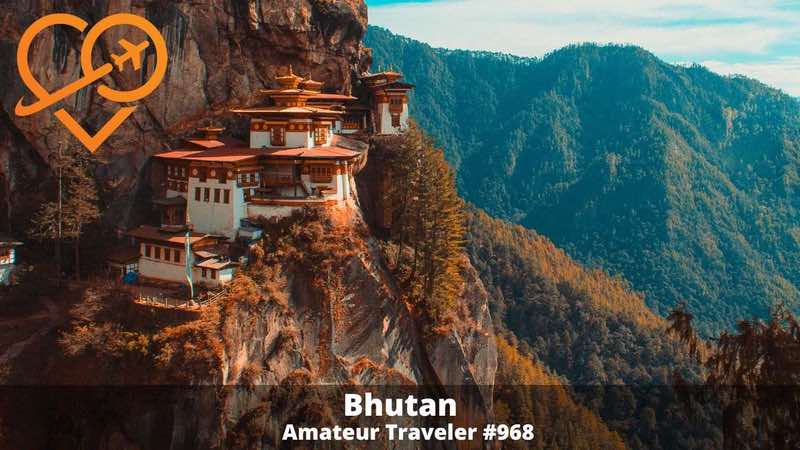
Hear about travel to Bhutan as the Amateur Traveler talks to Dorji Dhratyul, the former head of Tourism for the Kingdom of Bhutan.
Why should you go to Bhutan?
Doji says, “I think when you’re talking about globally in terms of tourism, we are talking about over-tourism. The tourism destinations are getting crowded, but as of now, Bhutan is still a very pristine, quiet, and silent place. Bhutan is that place where a visitor comes here, not just on a journey, but basically they come here as an inward journey.”
Bhutan is one of the few countries in the world that measures its success not by GDP but by Gross National Happiness. The small Himalayan kingdom regulates visitor numbers intentionally, following its “High Value, Low Volume” tourism policy. That means fewer crowds, pristine landscapes, and a deeply authentic experience.
Dorji recommends beginning with the western region, home to the country’s only international airport and some of its most iconic sites.
Day 1–2: Paro — Gateway to Bhutan
Arrive: Paro International Airport, one of the world’s most dramatic landings, surrounded by snow-capped peaks.
Stay: Two nights minimum.
Highlights:
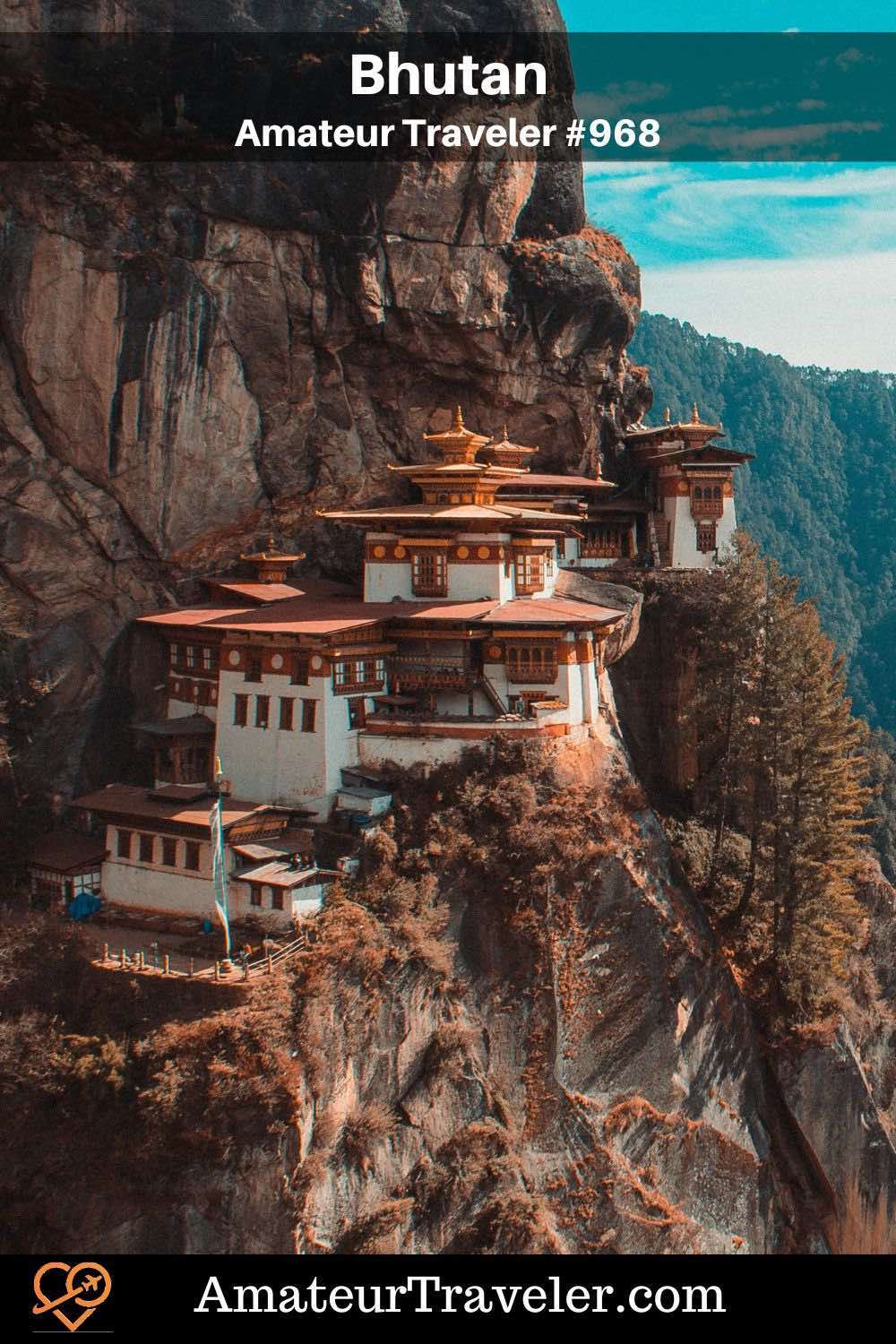
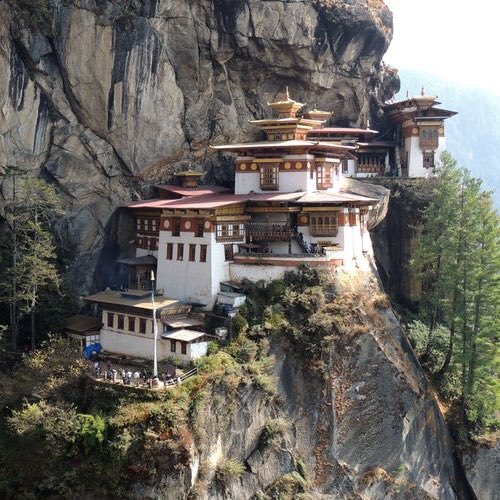
- Paro Taktsang (Tiger’s Nest): The must-do experience in Bhutan. A monastery clings impossibly to a cliffside at 3,000 meters (9,800 ft). The round-trip hike takes about six hours and rewards travelers with breathtaking mountain views and a profound sense of peace.
- Rinpung Dzong: This fortress-monastery once served as a defense post and now houses monastic quarters and administrative offices. It’s one of Bhutan’s finest examples of traditional architecture.
- The National Museum of Bhutan: Located above the dzong in a converted watchtower, this museum tells the story of Bhutan’s history, religion, and culture, and even contains what locals call a “dragon’s egg.”
- Farm Visits and Homestays: Dorji encourages visitors to explore rural life in Paro Valley. A certified guide can arrange a visit to a local farmhouse to share a traditional Bhutanese meal of red rice, chili cheese (ema datshi), and butter tea.
Note: All visitors must have a licensed guide, though it’s now possible to book directly rather than through a tour operator.
Day 3–4: Thimphu — Bhutan’s Capital at Altitude
Drive: Less than two hours from Paro.
Stay: One or two nights.
Highlights:
- Centenary Farmer’s Market (Kaja Throm): A lively bazaar showcasing fresh produce, handicrafts, and local snacks. Built during the COVID-19 closure, it’s become one of Thimphu’s most visited attractions.
- Motithang Takin Preserve: Home to Bhutan’s national animal, the takin, an odd yet endearing creature with the face of a goat and the body of a bison.
- Bhutan Textile Museum: Dedicated to the country’s weaving traditions, this museum displays intricate patterns that form an essential part of Bhutanese culture.
- Folk Heritage Museum: Set inside a traditional 19th-century farmhouse, this small museum recreates rural life as it was decades ago.
- Tashichho Dzong: A majestic fortress that houses the King’s offices, monastic authorities, and government ministries. Its whitewashed walls and gold-roofed towers dominate the Thimphu skyline.
- Short Hikes and Mountain Biking: Trails around Thimphu Valley offer easy day hikes and scenic biking routes.
- Nightlife: Thimphu is the only city in Bhutan with a bit of nightlife. Expect karaoke bars and small cafés mainly frequented by locals, not tourists.
Day 5–6: Punakha — The Warm Valley of the Dzongs
Drive: About 3 hours from Thimphu, crossing mountain passes before descending to 1,400 meters (4,600 ft).
Stay: One or two nights.
Highlights:
- Punakha Dzong: Often described as Bhutan’s most beautiful fortress, this 17th-century structure sits at the confluence of the Pho Chhu and Mo Chhu rivers. Once the country’s winter capital, it remains an active monastic and administrative center.
- Rafting or Boating: The wide Punakha River provides calm stretches suitable for rafting — an ideal way to experience the valley’s landscape.
- Punakha Festival: Held in January or February, this vibrant Buddhist celebration features masked dances, music, and storytelling.
- Scenery: The valley’s lower elevation gives it a subtropical feel, with terraced rice fields and blooming jacaranda trees.
Day 7 (Optional): Phobjikha Valley — Cranes and Calm
Drive: About 4 hours from Punakha toward central Bhutan.
Why Go: A broad glacial valley that serves as the winter home of the black-necked cranes, an endangered species revered in Bhutanese culture.
Highlights:
- Bhutan’s Black-necked Crane Festival in Phobjikha Valley: Held each November at Gangtey Monastery to honor the return of these graceful birds from Tibet.
- Gangtey Monastery: Overlooking the valley, this 17th-century monastery is a center of Nyingma Buddhist learning.
- Hiking and Biking: Gentle trails lead through pine forests and small villages, ideal for spotting cranes and photographing rural life.
- Homestays: Experience true Bhutanese hospitality and local cooking in traditional farmhouses.
Beyond One Week: Exploring Eastern Bhutan
For those with 10–15 days, Dorji recommends extending the journey to central and eastern Bhutan, where the culture, language, and landscape shift dramatically. These regions remain less visited but offer some of the country’s most rewarding cultural encounters:
- Lhuentse: Renowned for its exquisite handwoven textiles.
- Trashiyangtse District: Famous for wood-turning crafts and home to the rare Bhutan Glory butterfly.
- Merak and Sakteng: Highland villages where semi-nomadic herders maintain a distinct language, dress, and way of life.
- Bumdeling Wildlife Sanctuary: A protected area important for birdlife, including the black-necked crane.
Because the roads are mountainous, Dorji recommends at least 15 days to travel comfortably from west to east.
Best Time to Visit Bhutan
- Spring (March–May): Rhododendrons bloom across the hillsides, and skies are clear for mountain views.
- Autumn (September–November): Crisp air and colorful festivals make this peak travel season.
- Winter (December–February): Cold but serene, perfect for those seeking solitude or crane-watching in Phobjikha Valley.
- Summer (June–August): Lush landscapes, but also the monsoon, great for photographers who don’t mind the rain.
Staying Local: Homestays in Bhutan
Dorji also encourages travelers to try a traditional homestay instead of only high-end hotels.
- Certified homes must be built in traditional Bhutanese architecture and located in rural areas.
- Families live in the same house, cooking for guests and sharing their daily routines.
- Typical meals include red rice, vegetable curries, and butter tea.
- The experience supports eco-tourism and community-based travel, ensuring benefits reach Bhutanese families directly.
Final Thoughts
Dorji describes Bhutan as a place for “an inward journey”, where travelers not only see mountains and monasteries but also rediscover their own sense of peace. From the cliffside Paro Taktsang to the serene Phobjikha Valley, every day in Bhutan blends natural beauty, cultural depth, and quiet reflection.
For those who linger longer, the country’s eastern regions and mindful living initiatives, like the planned Gelephu Mindfulness City, promise an even deeper understanding of Bhutan’s balance between tradition and transformation.
Bhutan photo by Aaron Santelices on Unsplash
Sponsors

Go to Quince.com/traveler for free shipping on your order and 365 day returns!

This week’s show is supported by the new Smart Travel Podcast. Travel smarter — and spend less — with help from NerdWallet. Check out Smart Travel here.

Go to livekindred.com and use code TRAVELER to join for free. Plus, you’ll earn 5 nights of travel credit just for signing up!
- Get an eSim to be able to use your smartphone abroad.
- Get a Car Rental
- Get a universal plug adapter
- Buy Travel Insurance

For simple, online access to personalized and affordable care for Hair Loss, ED, Weight Loss, and more, visit Hims.com/TRAVEL.
subscribe: rss feed | Apple podcasts

right click here to download (mp3)
Show Notes
Bhutan
Paro
Paro Taktsang (Tiger’s Nest)
Rinpung Dzong
The National Museum Of Bhutan
Thimphu
Centenary Farmer’s Market
Motithang Takin Preserve
Bhutan Textile Museum
Folk Heritage Museum
Tashichho Dzong
Punakha
Punakha Dzong
Punakha Festival
Phobjikha Valley
Bhutan’s Black-necked Crane Festival in Phobjikha Valley
Trashiyangtse
Merak and Sakteng
Lhuentse
Trashiyangtse District
Bumdeling Wildlife Sanctuary
Kingdom of Mindfulness Book
Gelephu Mindfulness City
Bhutan Festivals Calendar
Laya Bhutan
Royal Highlands Festival
Tamshing Lhakhang – Bumthang Dzongkhag Administration
Phallus paintings in Bhutan
Drukpa Kunley
Community
 Travel to Bhutan – Episode 593
 Travel to the Kingdom of Bhutan – Episode 179
 Places to Visit in Nepal and Bhutan, the Roof of the World
 Travel to Ladakh and Kashmir India – Episode 780
by Chris Christensen
Chris Christensen is the creator of the Amateur Traveler blog and podcast. He has been a travel creator since 2005 and has won awards including being named the "Best Independent Travel Journalist" by Travel+Leisure Magazine.+Chris Christensen | @chris2x | facebook
One Response to “Travel to Bhutan – Episode 968”
Leave a Reply
Tags: audio travel podcast, bhutan, podcast


Jonty
Says:November 1st, 2025 at 1:32 pm
Bhutan is a wonderful country, which I was fortunate enough (literally, given its cost!) to spend a month in.
In my opinion the main reasons to visit are for its incredible culture (well covered in the episode) and the hiking (less well covered). On the later the Jomolhari Trek and the Laya Gasa Trek are the most popular multi-day hikes, both visit the 7,326 m (24,035 ft) Jomolhari mountain. The best scenery is on the near month long Snowman Trek, a seriously challenging hike.
For something easier the little visited Ha Valley to the west of Paro has some lovely day walks. They’ve also recently launched the Trans Bhutan Trail, which is more of a cultural hike across the low(er) lands of the country.
Also to note that the Sustainable Development Fee, effectively a tourist tax of $200 per day, has been reduced to $100 per day since June 2023. I think they overestimated post-Covid demand!